
10 Subtle Signs Your Elderly Loved One Needs In-Home Care in Jefferson & Shelby County
Navigating the changes that come with aging can be incredibly challenging, both for seniors and their loving families in Jefferson and Shelby County. It’s natural to want to provide the best care possible, but sometimes, recognizing when professional in-home care in Jefferson County, Alabama is needed isn’t always obvious. This guide is here to help you identify those subtle, yet critical, signs that might suggest your loved one could benefit from the compassionate, nurse-led care J.A.P. Senior Care Services provides.
Quick answer: Early signs an elderly person needs home care include changes in personal hygiene, a neglected home environment, unexplained bruises, difficulty with medication, weight loss, social withdrawal, confusion, declining mobility, and increased caregiver stress. Recognizing these subtle indicators early can help families in Jefferson & Shelby County, Alabama, proactively seek supportive care to maintain their loved one’s dignity and independence.
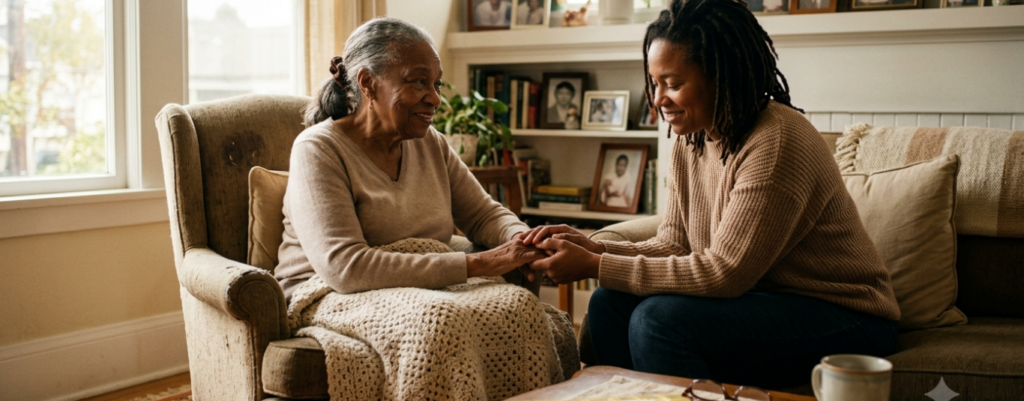
Why Recognizing Early Signs Matters for Alabama Families
If you’ve found yourself searching for signs elderly need help, you’re already paying close attention—and that matters. Alabama’s senior population is growing fast. State projections show Alabama’s 65-and-older population could grow by more than 50% between 2017 and 2040, meaning more families across Birmingham, Hoover, Vestavia Hills, and beyond will face these same questions in the years ahead.
The stakes are real. Falls remain a leading cause of injury among older adults nationally, with more than one in four older adults experiencing a fall each year. Catching small changes early—before a fall, a missed medication, or a health crisis—gives families room to plan calmly instead of reacting in an emergency room. That’s the heart of good aging in place support in Birmingham: acting on the quiet signals before they become loud ones.
Sign 1: Changes in Personal Hygiene and Appearance
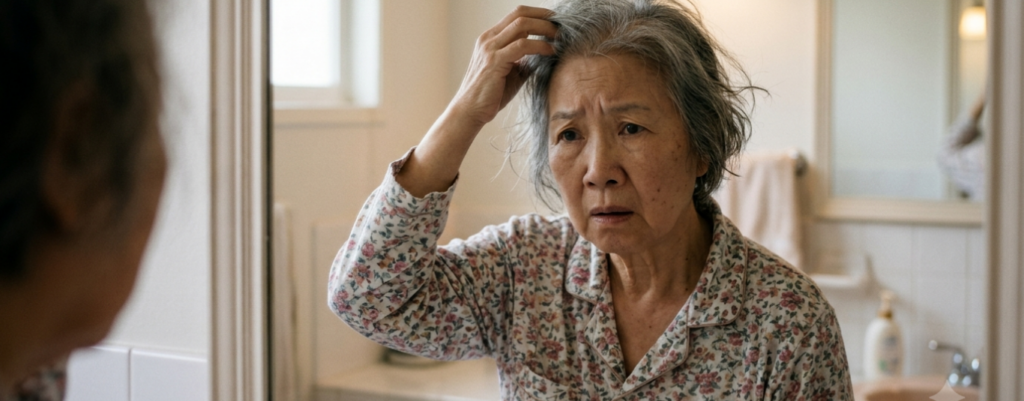
What This Looks Like
A parent who once took pride in their appearance may start wearing the same clothes repeatedly, skip bathing, or develop a noticeable odor. You might notice unwashed hair, stained clothing, or a general decline in grooming habits during visits.
Why It Matters
Hygiene changes often point to physical limitations (trouble bending, balance fears in the shower) or cognitive shifts that make daily routines harder to track. Either way, it’s rarely about laziness—it’s about ability.
What to do: Gently mention specific observations rather than generalizations, and consider whether a caregiver who can assist with bathing and dressing might restore both safety and dignity.
Sign 2: Neglected Home Environment
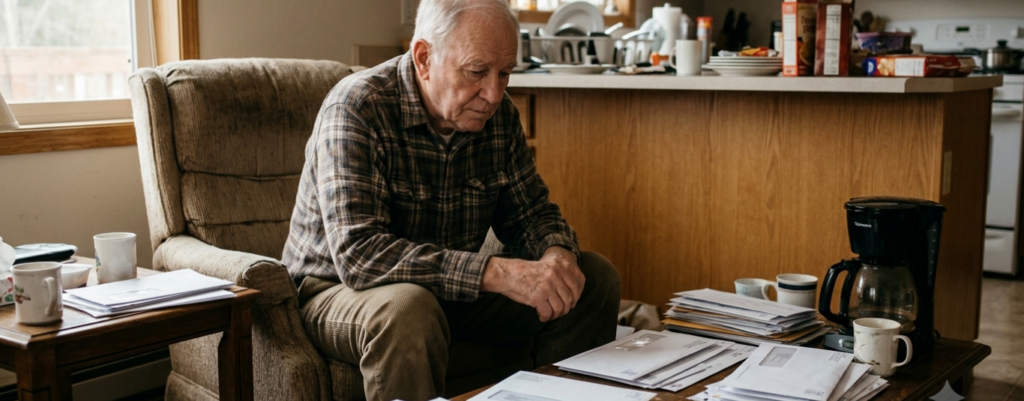
A once-tidy home now has piling dishes, unopened mail, expired food, or clutter blocking walkways. One Hoover family we’ve worked with didn’t realize how much their mother was struggling until a visit revealed unpaid utility bills stacked by the door and spoiled groceries in the fridge—she’d simply lost the energy to keep up, though she insisted everything was “fine.”
This is one of the clearest signs elderly need help at home, because a cluttered or unsafe environment increases fall risk and can signal that everyday tasks have become overwhelming.
Warning signs to watch for:
- Stacks of mail or unpaid bills
- Spoiled or expired food
- Laundry piling up
- Pathways blocked by clutter
- Pet care being neglected
Sign 3: Unexplained Bruises or Injuries
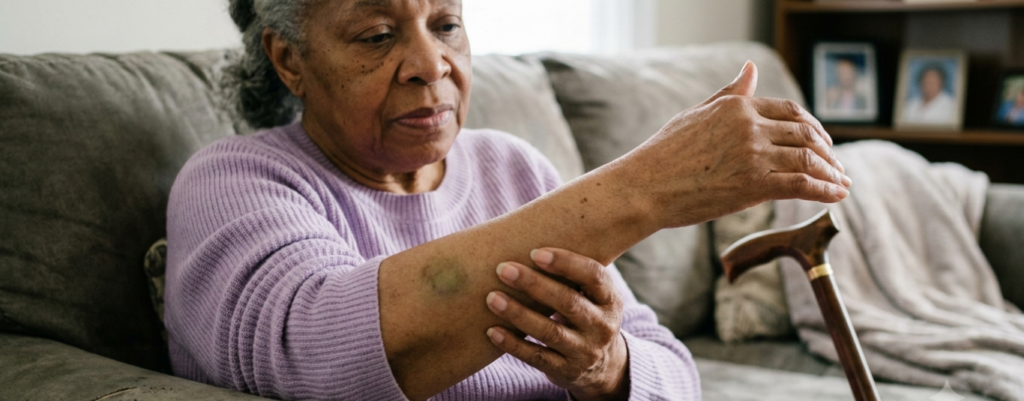
Bruises on the arms, hips, or shins—especially ones your loved one can’t explain or downplays—often point to falls or near-falls that went unreported. Given that falls are a leading cause of injury-related hospitalization for older adults, this sign deserves immediate, gentle attention.
Why it matters: A single unreported fall often predicts another. Difficulty with mobility, vision changes, or medication side effects can all contribute. A care plan that includes mobility support and home safety checks can meaningfully reduce risk.
Sign 4: Difficulty with Medication Management
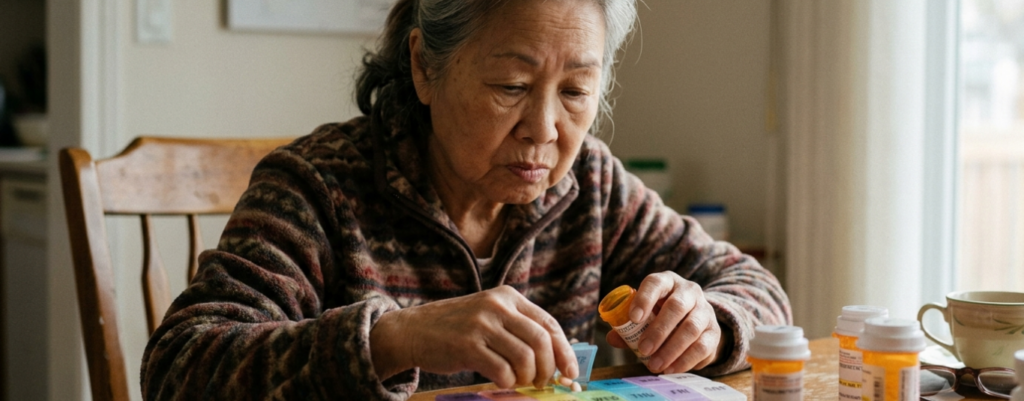
Pill organizers left untouched, prescriptions that haven’t been refilled, or duplicate/missed doses are common and dangerous. Medication mismanagement is one of the most preventable reasons for ER visits among seniors—and one of the easiest to address with the right support.
Actionable guidance:
- Do a quiet pill-count check during a visit
- Ask the pharmacist for a medication review
- Consider a caregiver who can manage scheduling and reminders
This is exactly where when to get home care becomes a practical, not abstract, question—medication safety is rarely something families should manage long-distance or in the margins of a busy week.
Sign 5: Changes in Eating Habits or Weight Loss
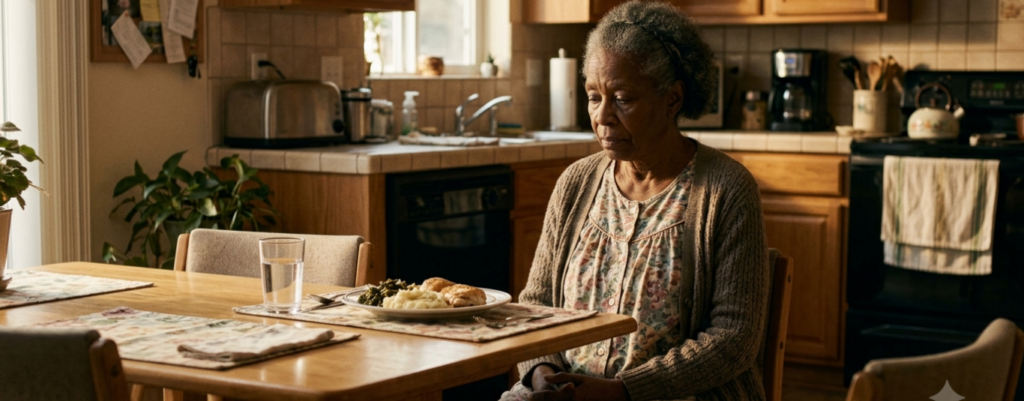
Notice less food in the fridge, weight loss, or a senior who says they “just aren’t hungry” anymore? Cooking can become physically difficult, and appetite often declines with isolation, depression, or early cognitive changes.
Compassionate perspective: This isn’t about willpower. A caregiver who helps with grocery shopping, meal prep, and companionship during meals often restores both nutrition and routine—small steps that add up to real health protection.
Sign 6: Social Withdrawal and Isolation
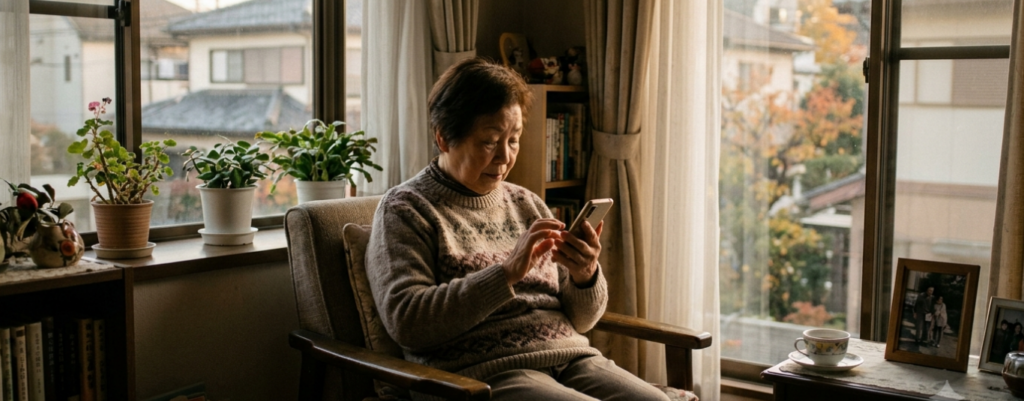
A parent who stopped going to church, skipped the weekly bridge game, or no longer calls friends may be withdrawing for reasons beyond simple preference—pain, hearing loss, transportation worries, or depression often hide behind “I just don’t feel like it.”
For families navigating early memory changes, this withdrawal can also be one of the first visible signs needing dementia care at home in Birmingham, since confusion in unfamiliar social settings often leads seniors to avoid them altogether.
What helps: Regular companionship visits from a trained caregiver can re-engage seniors socially while giving families an honest, ongoing read on their loved one’s wellbeing.
Sign 7: Forgetfulness and Confusion (Beyond Normal Aging)
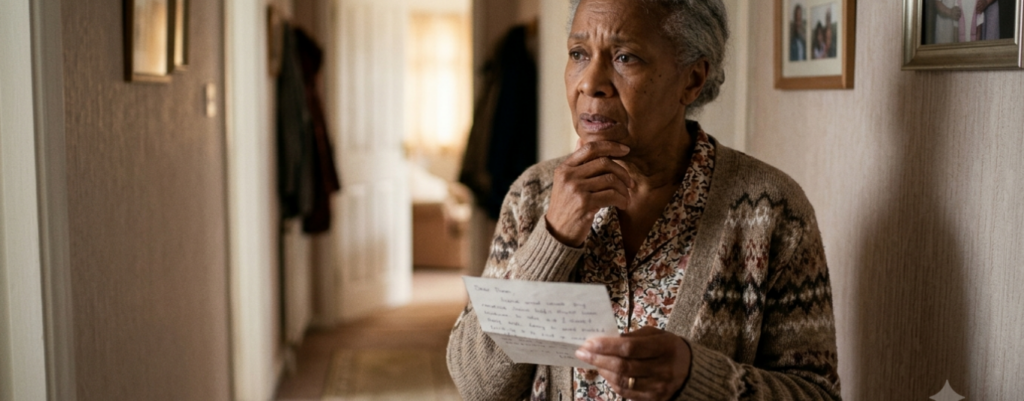
So, what are the early signs a senior needs a caregiver in Alabama when it comes to memory? Look for missed appointments, repeating the same questions, getting lost on familiar routes, or confusion about dates and medications. This goes beyond occasionally misplacing keys.
A Vestavia Hills family shared that they first noticed something was wrong when their father, a retired engineer, got turned around driving home from a route he’d taken for 30 years. That single moment opened a conversation about safety that had been quietly overdue.
Why it matters: Early evaluation by a physician, paired with structured in-home support, can slow decline and keep seniors safer at home longer.
Sign 8: Declining Mobility and Balance Issues
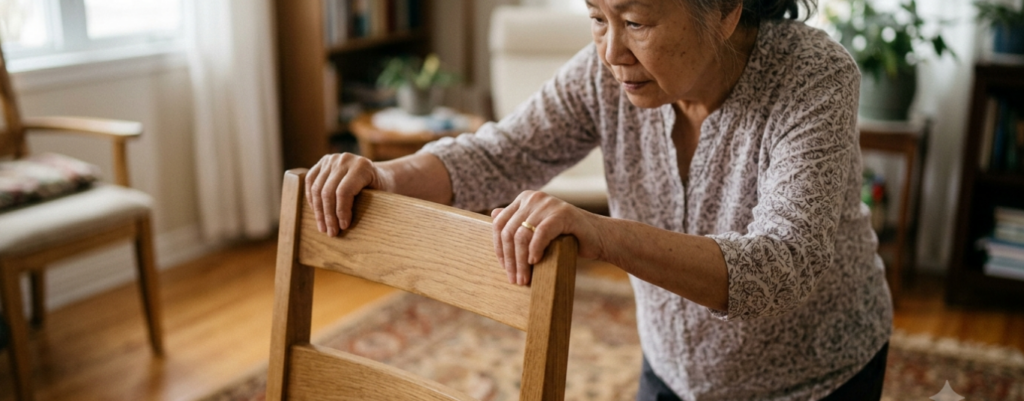
Watch for unsteady walking, gripping furniture for support, avoiding stairs, or a general reluctance to move around the house. Seniors who once gardened or walked the neighborhood may now stay seated most of the day.
This matters because mobility loss compounds quickly—less movement leads to weaker muscles, which leads to more falls. Notably, AARP research shows roughly three-quarters of older adults strongly prefer to stay in their own homes; declining mobility doesn’t have to end that goal. With the right support—grab bars, mobility assistance, and a trained caregiver nearby—benefits of in-home care for seniors in Vestavia Hills and across the metro include exactly this: staying home safely, longer.
Sign 9: Increased Caregiver Stress and Burnout
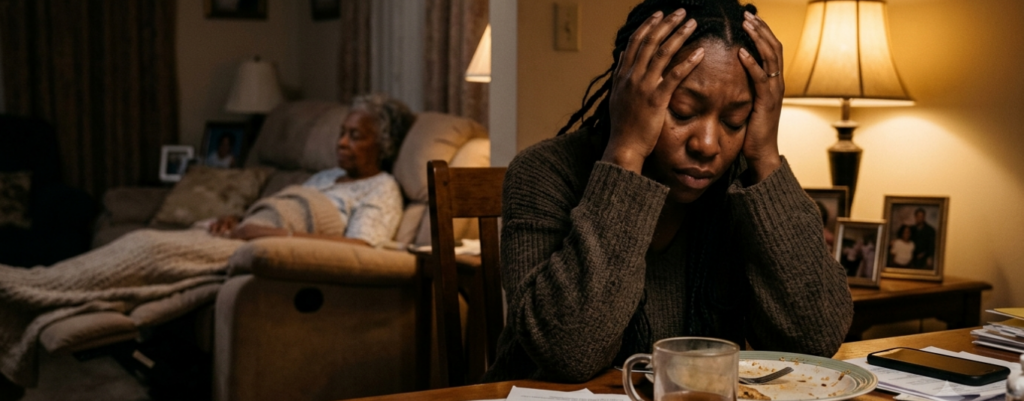
If you’re exhausted, snapping at family members, losing sleep, or feeling resentful even though you love your parent deeply—please hear this: caregiver stress in Alabama is common, and it is not a sign you’re failing.
You should never feel guilty for needing help. Caring for a parent while juggling a job, your own kids, and your own health is a lot for any one person to carry alone. Bringing in respite care in Jefferson County, even just a few hours a week, isn’t giving up—it’s making sure you can keep showing up as a daughter, son, or spouse instead of running on empty as an unpaid, unsupported caregiver.
Signs of caregiver burnout:
- Constant fatigue or trouble sleeping
- Irritability or feelings of resentment
- Neglecting your own health appointments
- Withdrawing from your own friends and interests
Sign 10: Reluctance to Accept Help or Denial
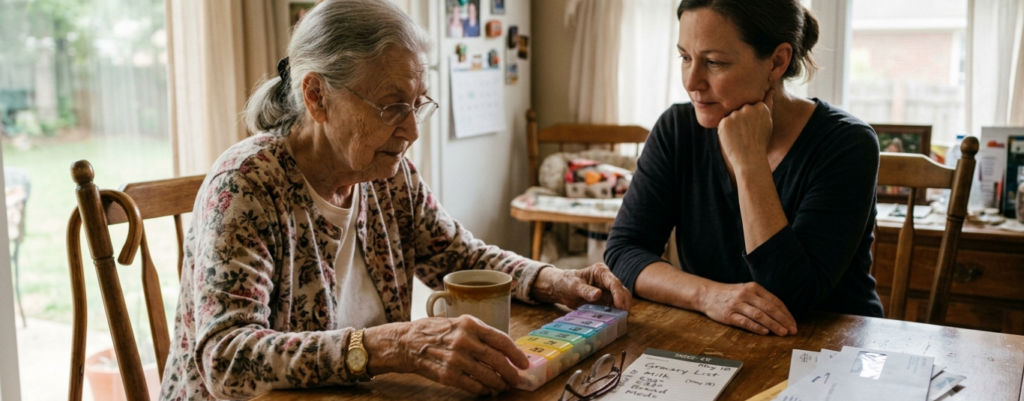
“I’m fine, I don’t need anyone.” If that sounds familiar, you’re not alone—pride and fear of losing independence make this one of the hardest hurdles for families across Jefferson and Shelby County.
How to talk to elderly parents about needing home care in Birmingham:
- Lead with specific, loving observations (“I noticed you skipped your walk this week”) rather than broad statements (“You can’t manage anymore”)
- Frame help around companionship or a single task (cooking, transportation) rather than “care”
- Involve them in choosing the caregiver and schedule, so it feels like their decision
- Be patient—it may take more than one conversation
This approach respects their dignity while opening the door to support gradually, rather than all at once.
What to Do Next: Taking the First Step Towards Supportive Care in Birmingham
If you’re worried about cost, you’re not alone—and you have more options than you might think. Many families combine VA benefits, private pay, and long-term care insurance to build an affordable plan. A free consultation is the best way to map out what’s realistic for your family’s situation, with no pressure attached.
As Yarlardo Henderson, RN and Founder of J.A.P. Senior Care Services, puts it: “Recognizing the need for support is the first step towards preserving a loved one’s dignity and independence. Our nurse-led approach ensures that families in Jefferson and Shelby County receive not just care, but true peace of mind, knowing their loved one is in expert, compassionate hands right at home.”
That nurse-led oversight—combined with being a family-founded, locally owned service—is what sets J.A.P. apart for elder care services in Hoover and throughout the greater Birmingham area. Every care plan is built around your loved one’s specific needs, not a one-size-fits-all script.
You’re Not Alone in This
J.A.P. Senior Care Services was built on three simple values: Love, Dignity, and Respect. We understand the weight of these decisions because we’ve walked alongside families across Jefferson and Shelby County through exactly this journey.
If you’ve recognized any of these signs and feel overwhelmed, remember you’re not alone. J.A.P. Senior Care Services is here to provide compassionate, nurse-led support tailored to your loved one’s unique needs right here in Jefferson and Shelby County, Alabama. We invite you to take the first, no-pressure step by requesting a free, confidential consultation with our experienced team today. Let us help you find peace of mind and the right path forward for your family.